


 +447941025567
 info@gondwanatoursandsafaris.co.uk
.jpg)


Blog
Namibia – where landscapes do the talking
Posted on 19th August 2026
From Cameron Pieterse’s travel journal …
 |
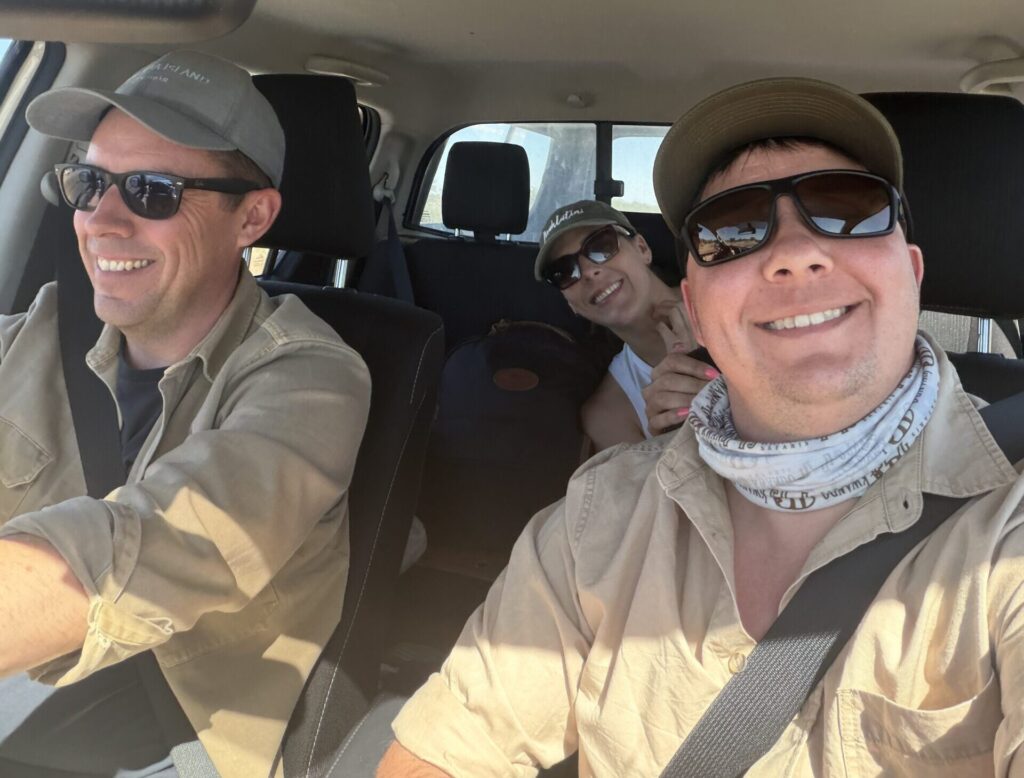
I’ll be upfront: I am not a natural writer, I don’t read as much or often as I would like, and I knew very little about the former South African territory until a few weeks ago. When the chance to head to Namibia landed on my lap earlier this year, I jumped at it, however, soon realised that I had no idea what to expect. What I got was eight nights of dusty boots, a lump in my throat, and a very strong case of “I need to go back” |
 |
 |
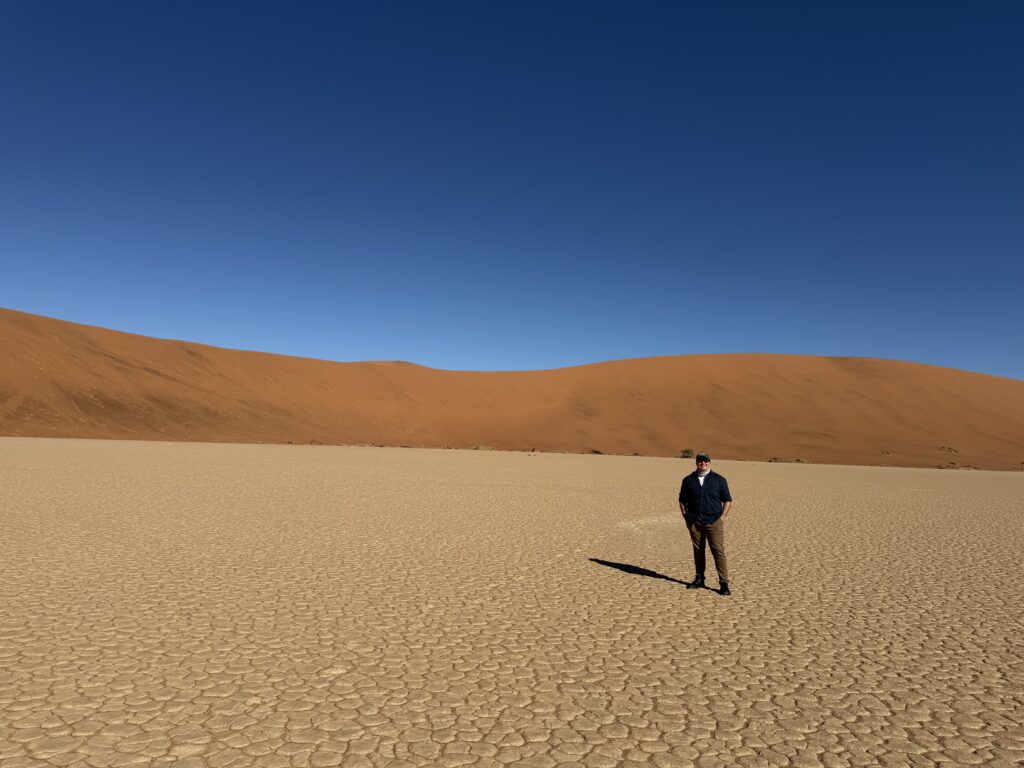
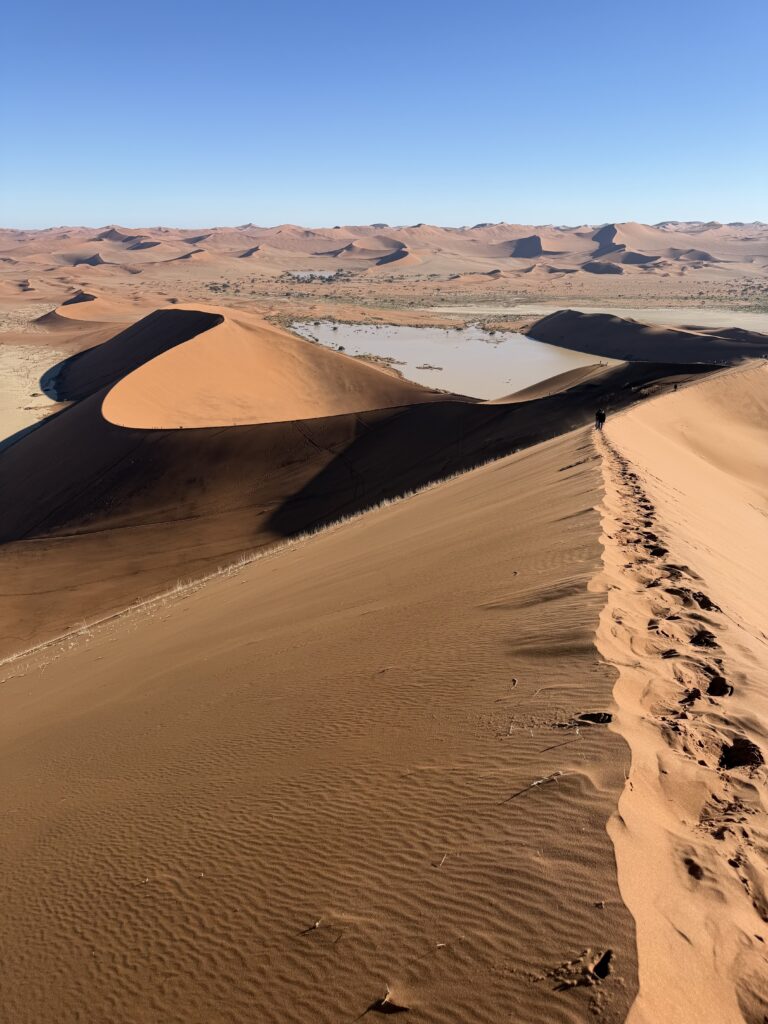
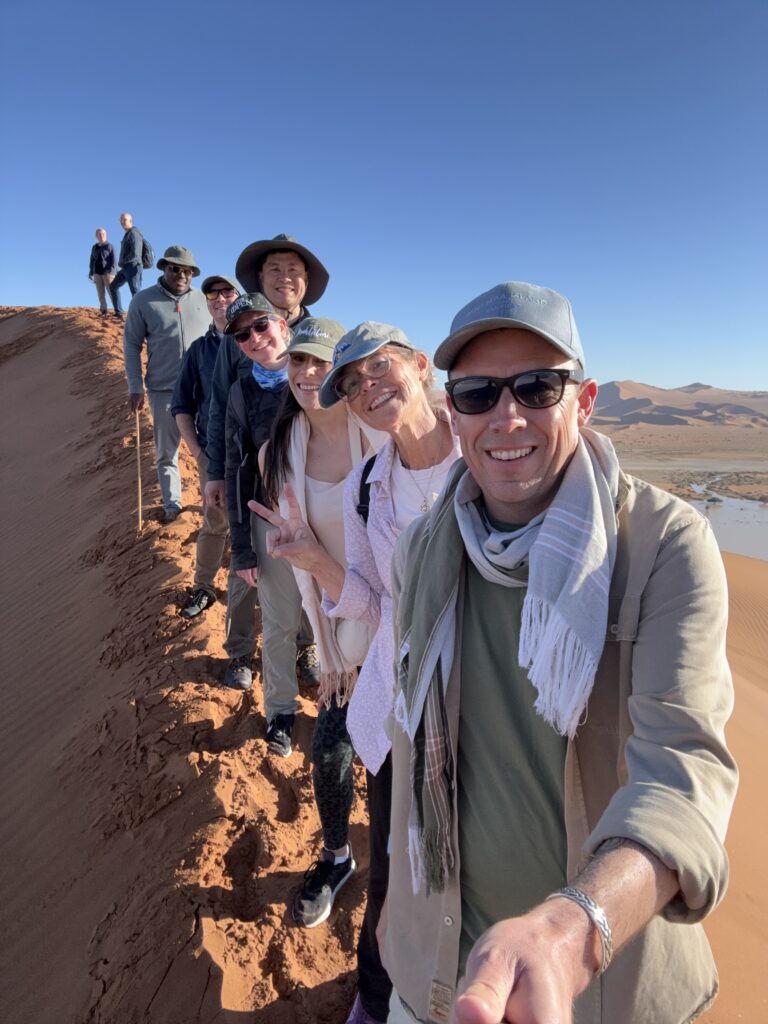
We started off in Windhoek, a surprisingly familiar and nostalgic-feeling capital for someone who grew up in Pretoria. The first stop was southward, to explore the famous dunes of Sossusvlei. From there, the route turned northward, to Swakopmund along the Skeleton Coast, into the raw boulder landscapes of Damaraland, and through the renowned Etosha, before turning back south to Otjiwarongo for our final night.
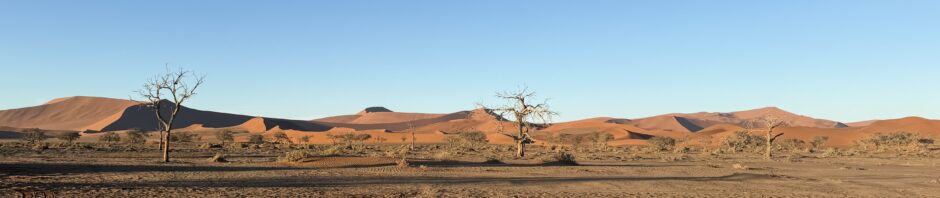
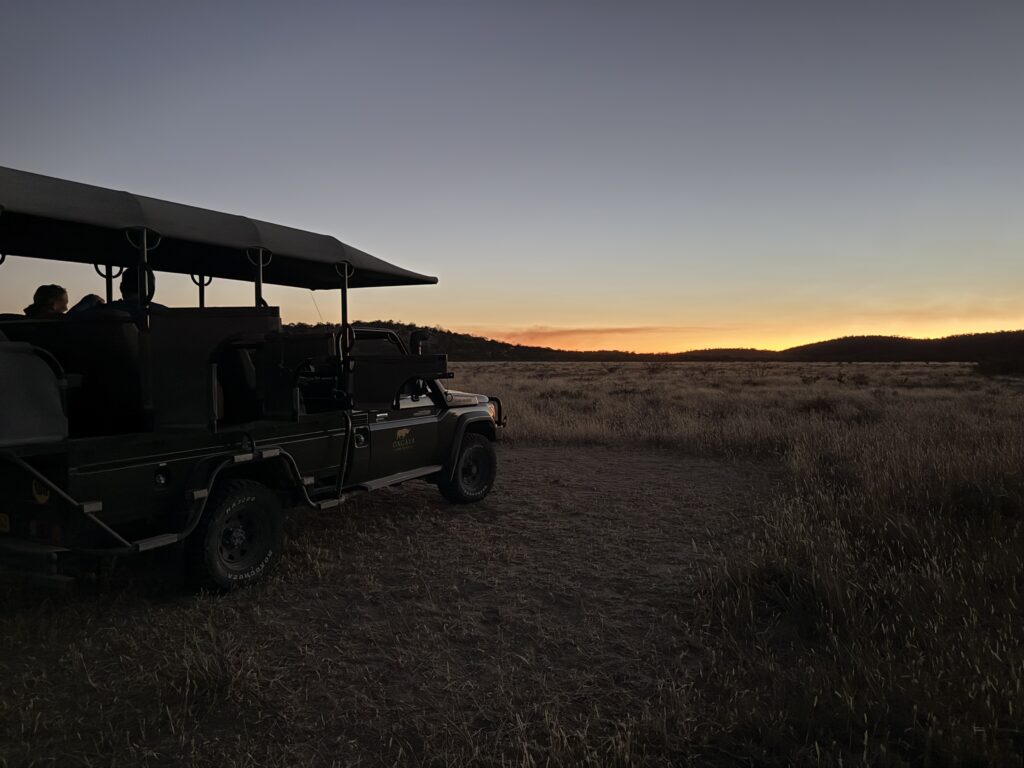
What initially struck me most was watching the country change as we went along. In the south, it is silent and stark, with seas of golden grass lapping at expansive sunsets. As we travelled north, I noticed how life slowly started seeping back in: the scrub get greener, birdlife becomes more prevalent and their chatter makes the air less quiet, and general wildlife increases as well.
 |
 |
 |
 |
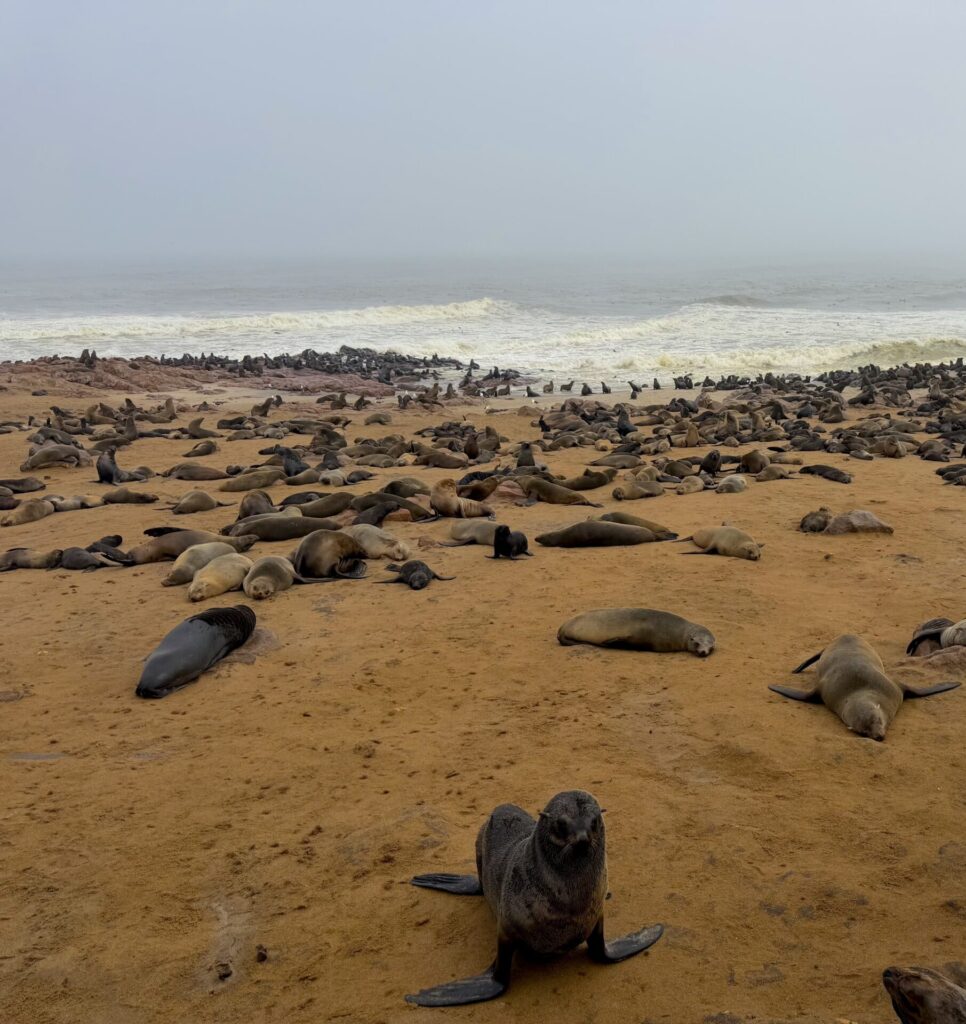
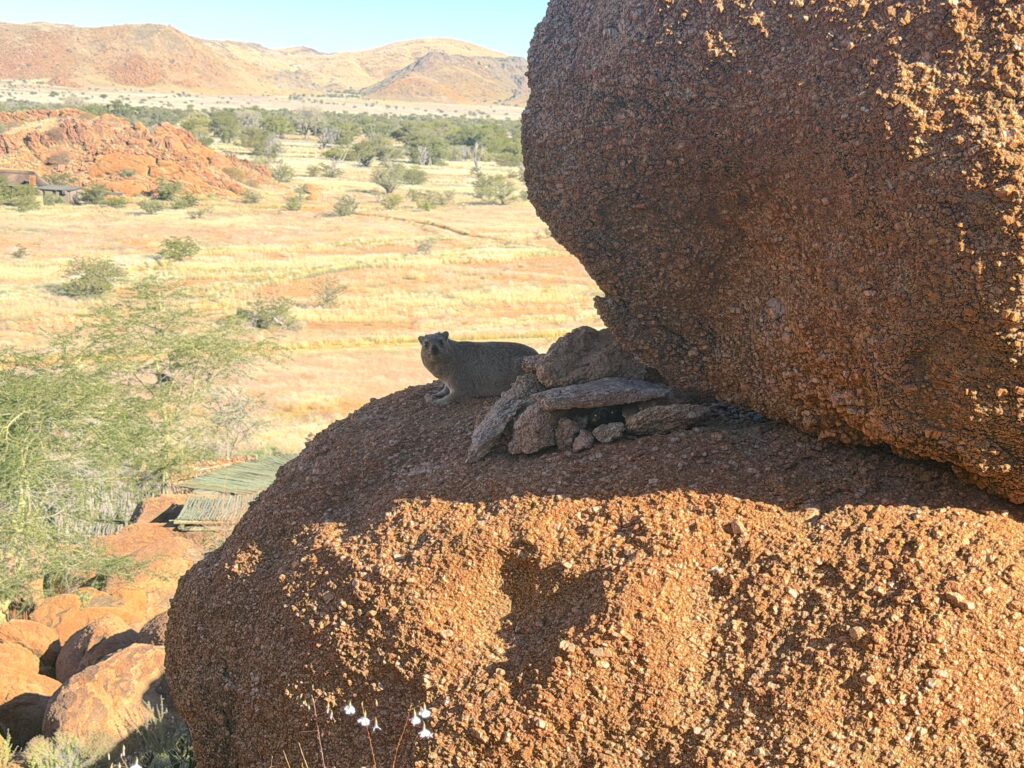
It’s almost like watching a documentary about Earth booting up. Another unexpected thing that stood out, was that Namibia felt weirdly like home. As a South African, I heard my home language spoken in the streets, and the currency conversion barely registered. It literally felt like I stepped back in time 20 years in my hometown. And then I look up, and the striking scenery is so dramatically alien that the familiarity makes it all the stranger. Think rusty red dunes as far as the eye can see, rolling fields of grass surrounded by escarpments, terrain so rugged and untouched it may as well be the moon, and miles of surprisingly undeveloped and uninhabited beach that collide with wild and treacherous Atlantic Ocean, rock formations and stacked boulders that look like a giant’s playpen, not to mention the remnants of ancient civilisations and rich cultural diversity.
 |
 |
 |
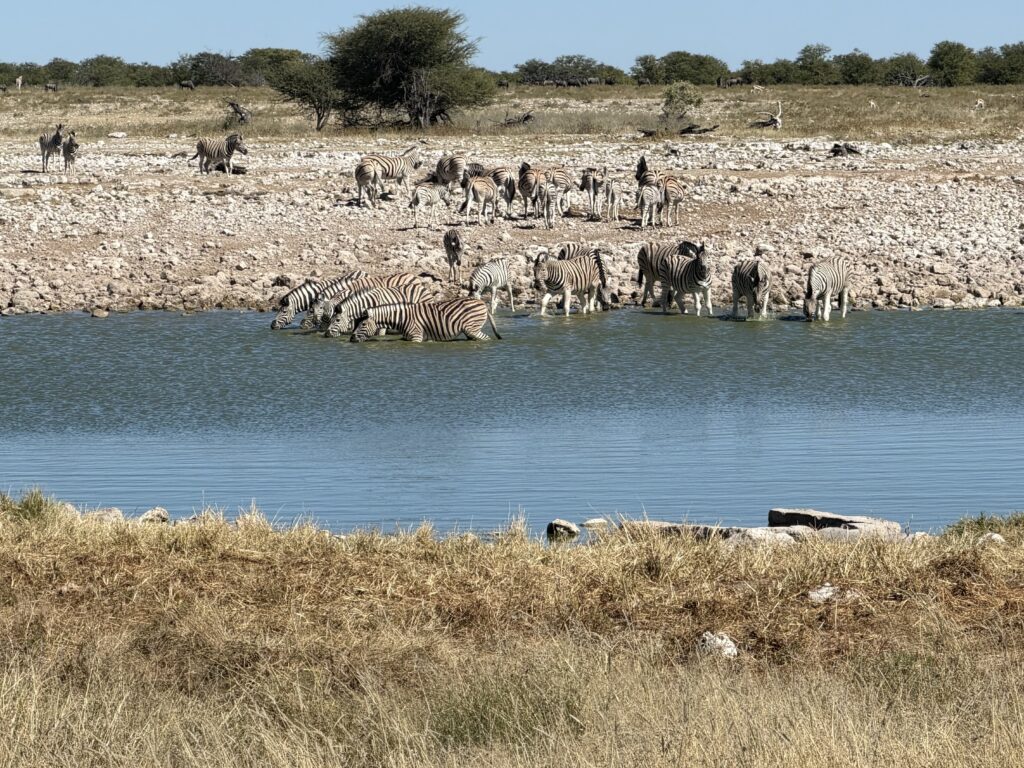 |
If you are thinking about visiting Namibia for Big Five game viewing, you may end up leaving a little disappointed. Etosha is the main wildlife region, and while it is fine, and good enough as a first-time introduction to safaris, it cannot compete nor compare with Botswana or Zimbabwe. … And that’s okay, because that’s not what Namibia is about.
This destination is for travellers that want to get lost in the landscape, who want to slow down, who want to feel lost and small in the best possible way. Self-driving here is best for this, and more manageable than you might expect. There’s a sense of autonomy to moving through the country at your own pace, letting your mind wander freely, both things that are increasingly rare in our fast-paced modern lives. The distances between destinations are significant and require proper planning. This is a big country, and underestimating the drive times between regions is a rookie mistake worth avoiding.
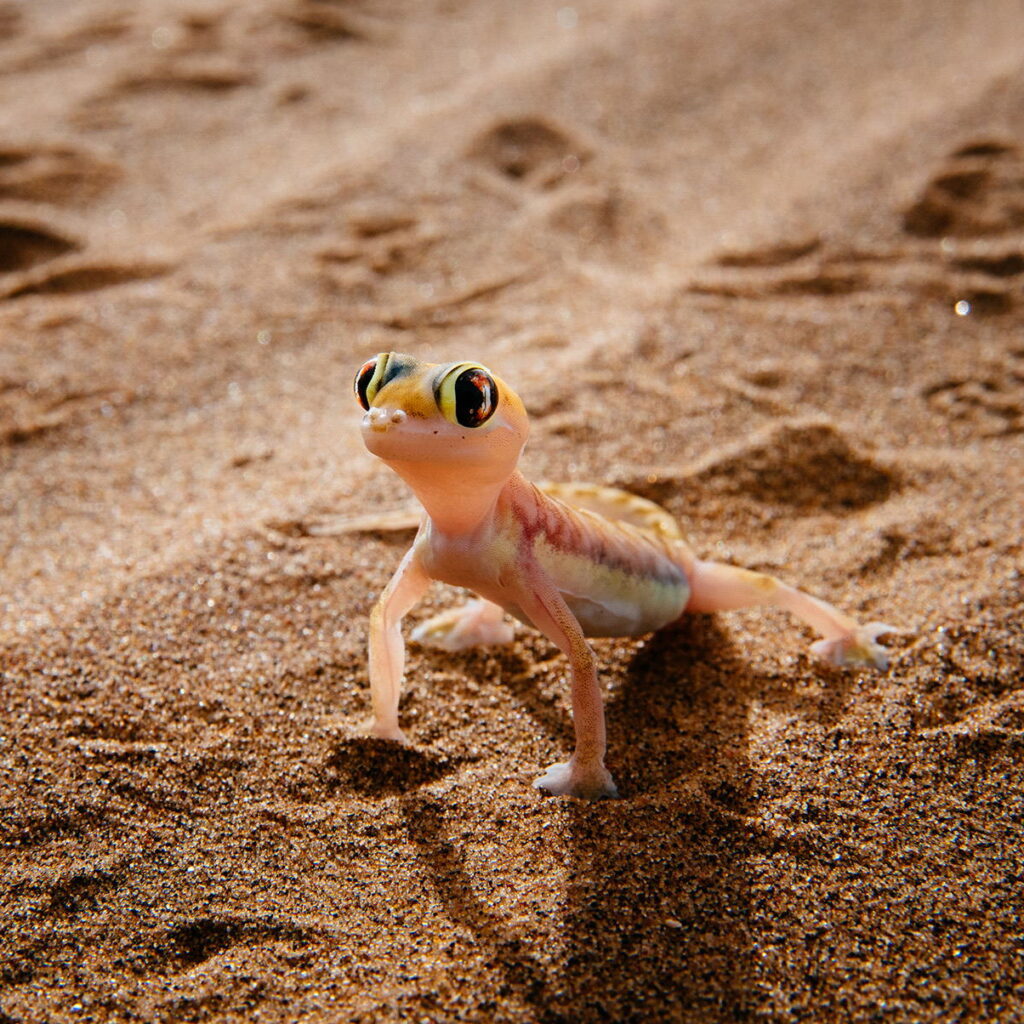 |
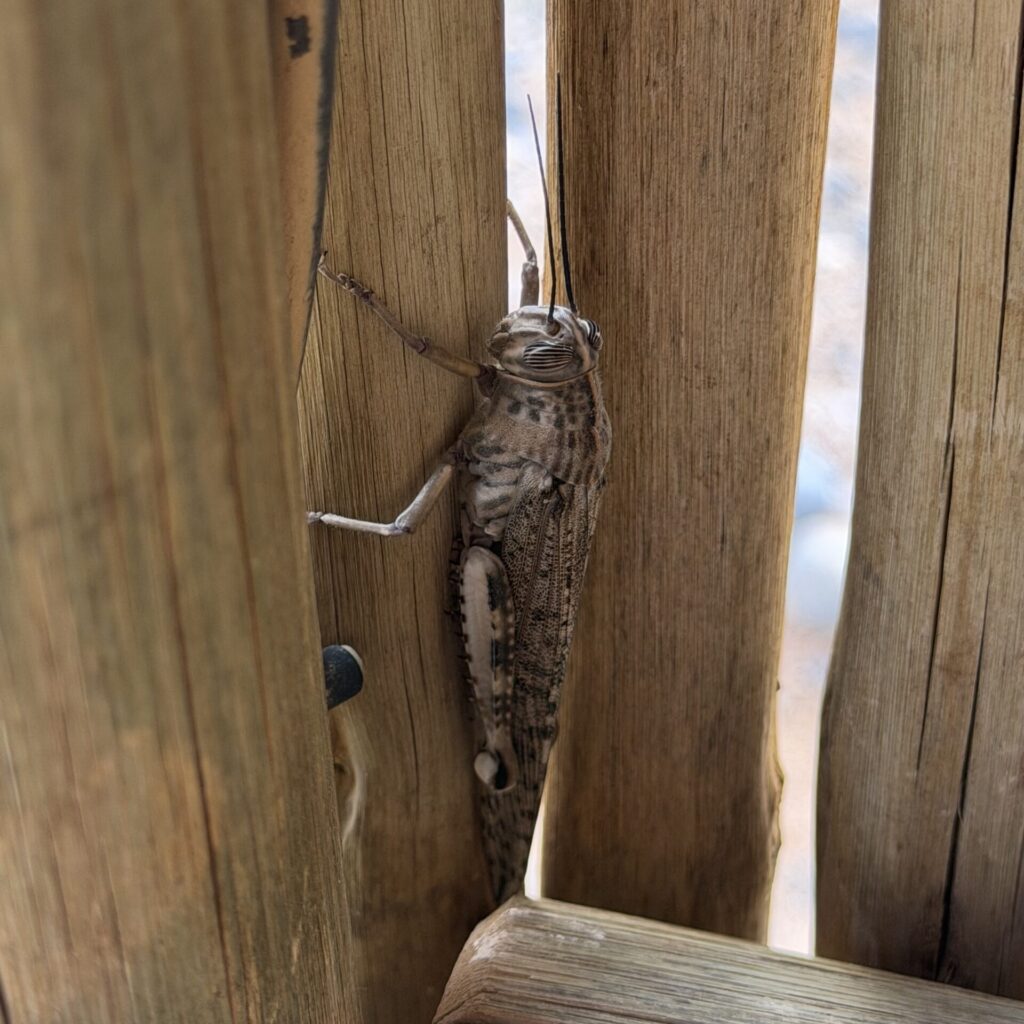
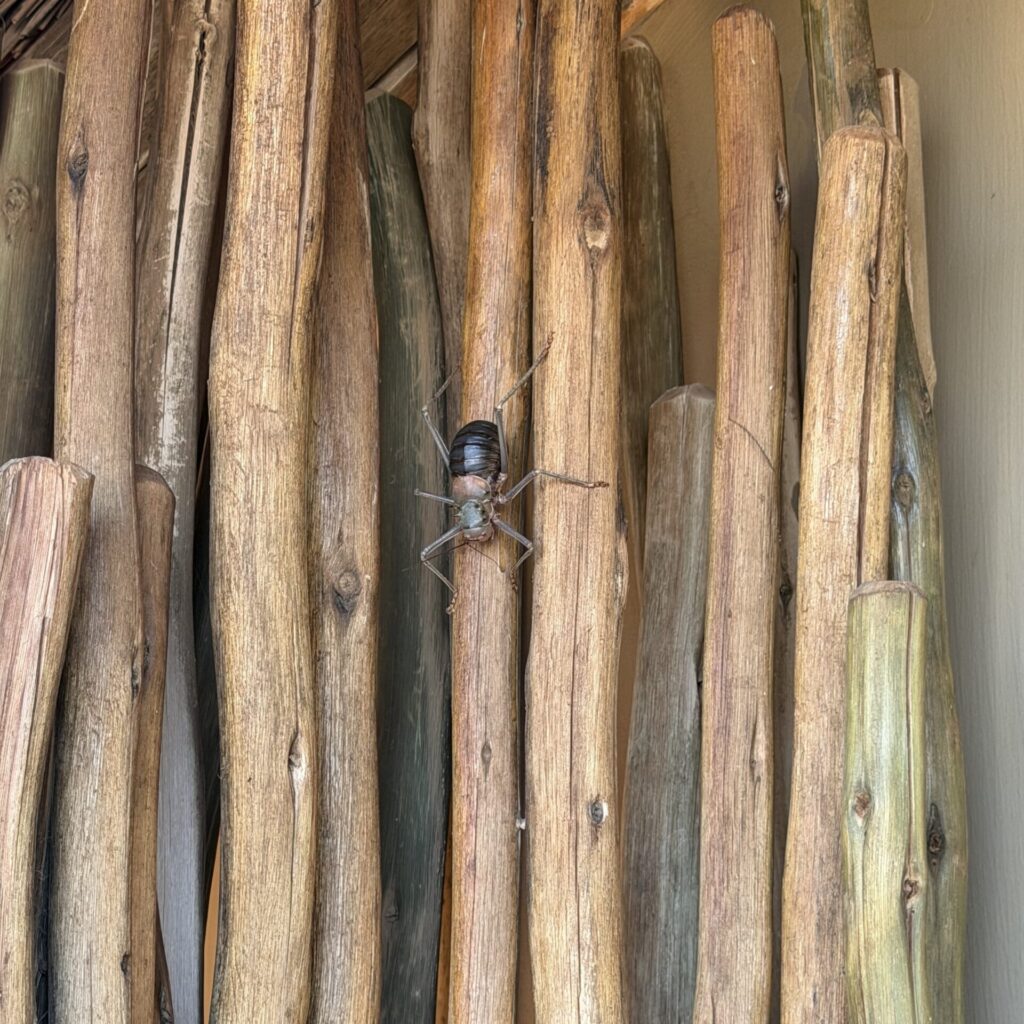
I personally wish that I had carved out more time for the “little five” , the lizards, spiders, and other small critters that thrive in the harsh conditions of the Namib desert. Taking the time to slow down, crouch down, and notice the little things is part of what makes travelling to this country rewarding. Photographers will know exactly what I mean: whether you’re shooting towering dunes, desert-adapted wildlife, or just the texture of an ancient landscape, Namibia is genuinely one of the most photogenic places I’ve ever seen. I almost feel like you can point your camera in any direction at any time here and get a good shot. |
 |
 |
Each destination offers a range of accommodations, from basic self-catering, to high-end fully inclusive, so there are tons of options when planning your trip. There is a common thread throughout though: guests are well looked after, and camps feel personal rather than corporate. Also, the rumours about perfectly cooked steaks? True. Every single time.
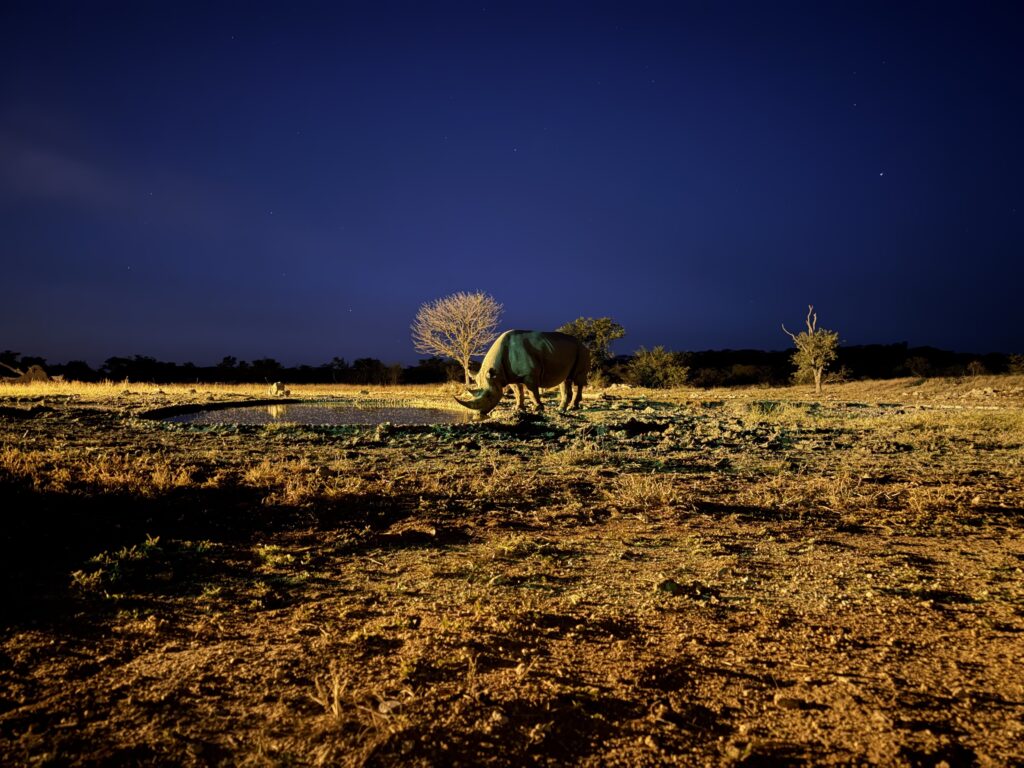
A highlight of the trip was the rhino. At Ongava in Etosha we got closer than I’d ever been, and it was the first time seeing one since I was a kid. In that moment, I realised that I had almost forgotten what they look like in real life, not from a photo or documentary, but actually there, breathing, moving, unbothered. Prehistoric. Magnificent. He was so completely at ease and placid, just going about his business in the bush, that the thought of these creatures being poached for their horns felt all the more senseless.
 |
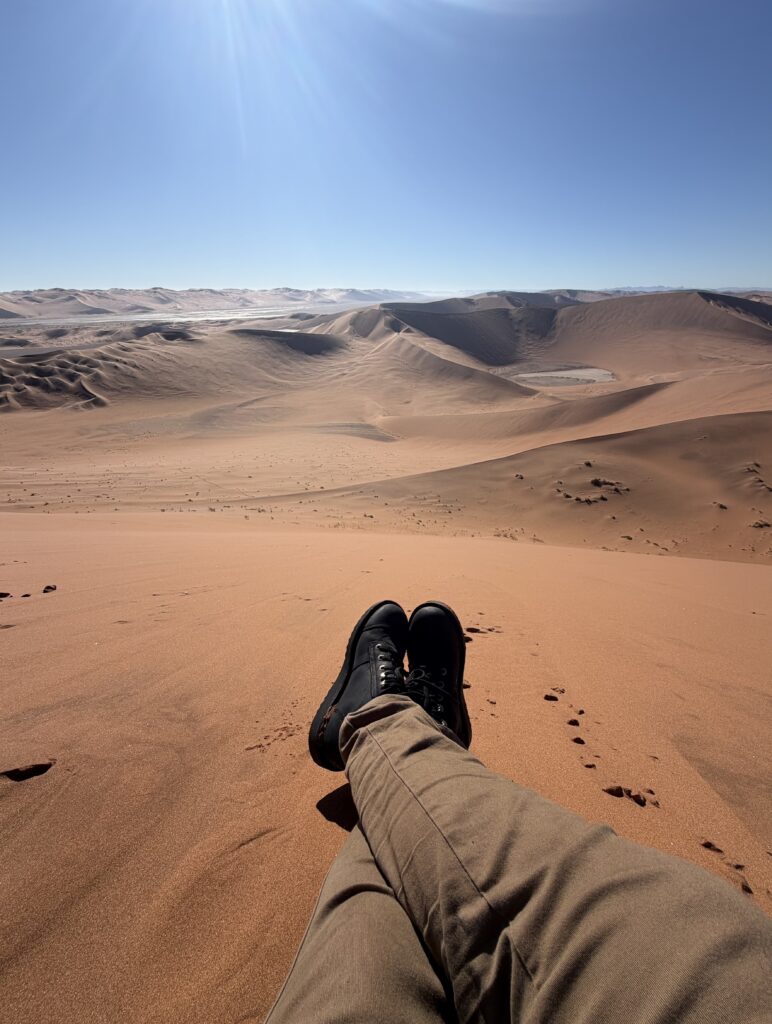 |
The conservation success story here, not just with rhino, is extraordinary. A lot of fauna and flora here seem to exist in defiance of the odds, and the people are no different. That kind of resilience is contagious. I left wanting to be braver about things back home, and I’m not entirely sure I can explain why. Would I recommend Namibia for friends, family and clients? Absolutely, but with a few caveats. Namibia is for the curious, the unhurried, the traveller who’s done the classic safari and wants something that asks a little more of them, or for first-timers that want to sample what Africa has to offer without hopping countries. It’s for people who find beauty in emptiness, who don’t need a packed itinerary to feel like they got their money’s worth. Namibia touched a place deep within, and I’ve barely scratched the surface! I could have spent another month there and still had more to see. That’s the best thing I can say about any destination. Dusty boots and all. |

Recent Posts
Categories
Categories
Archives
Archives
Tags
Tags
Contact your
Safari expert now
+27 686 1971 (BOTSWANA)+49 306 7809803 (GERMANY)


 England